Walking Poles and Pacing: Making the Most of Your Day
Learn how to use walking poles effectively and pace yourself for longer, more enjoyable walks on Ireland's gentle hillside trails.
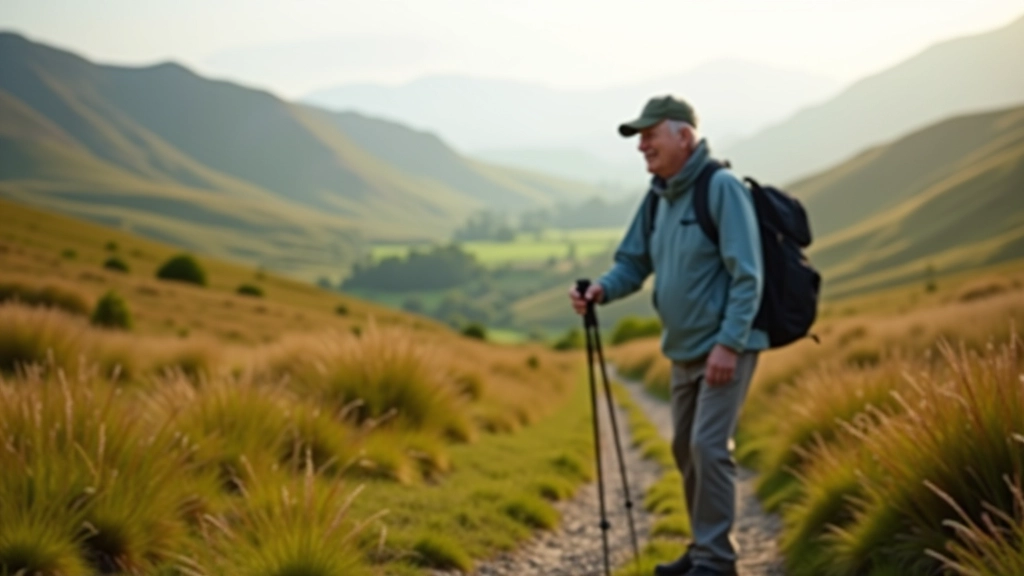
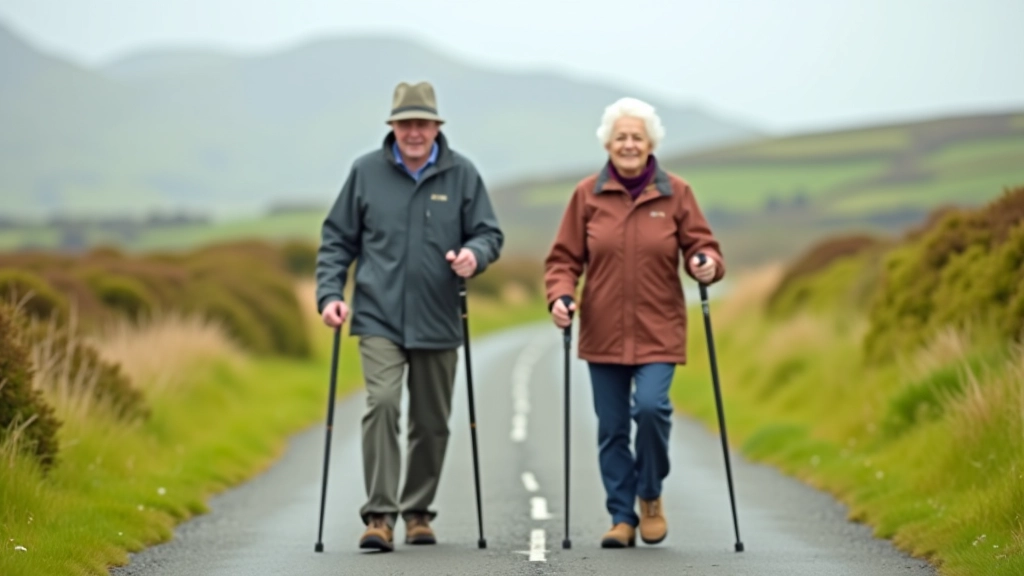
There's something about walking poles that changes everything. They're not just for steep mountain terrain — on gentle hillside trails, they're genuinely game-changing. You'll find yourself walking farther, feeling stronger, and actually enjoying the journey more. We're going to break down exactly how to use them properly and pace yourself so you can get the most out of your day on the trails.
Getting Your Walking Poles Set Up Right
The first thing people get wrong? Pole height. It's not complicated, but it matters. Your poles should reach roughly to your wrist when you're standing with your arms relaxed at your sides. Most adjustable poles let you dial this in pretty quickly.
Once you've got the height sorted, the grip is next. You're not squeezing the handles like you're angry at them. Light grip, natural swing. Your poles should feel like an extension of your walking rhythm, not something fighting against you. The wrist strap is there to support the pole weight, not to bear all your weight. That's the whole point of having poles in the first place.
Quick Check: If your shoulders are hunched or your arms are bent at sharp angles, your poles are too short. Adjust and try again.

Pacing Yourself for Longer Walks
Here's what most people miss: you don't walk with poles the same way you walk without them. You'll naturally go faster and feel less tired doing it. That's actually brilliant, but it also means you can easily overdo it if you're not paying attention.
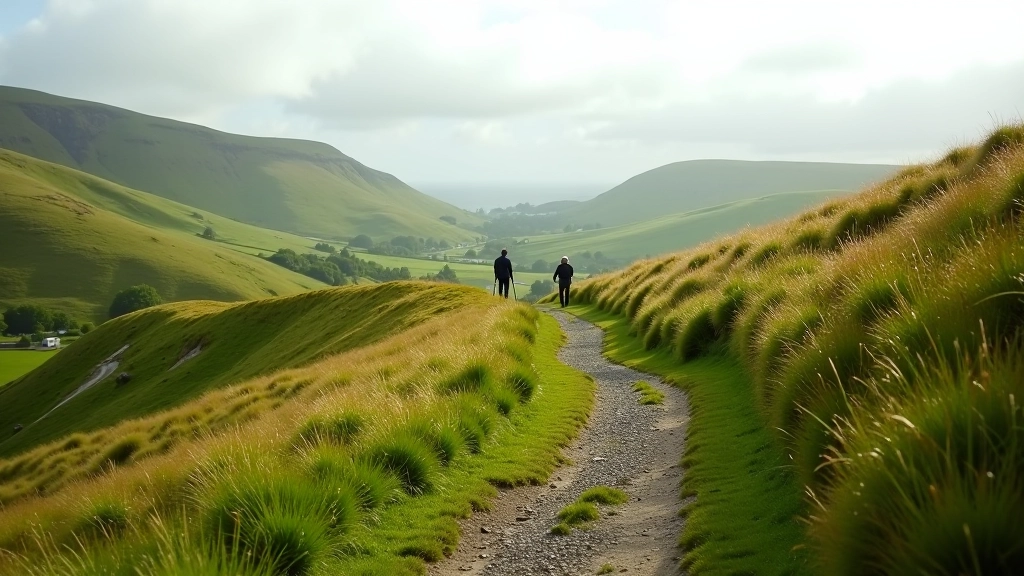
Start with a pace you could maintain while having a conversation. Seriously. If you can't chat with your walking partner without gasping, you're pushing too hard. On gentle hillside trails like the Croagh Patrick lower slopes, there's absolutely no reason to race. The point is to be out there, moving, and enjoying the landscape.
A solid pace on flat to gently rolling terrain is about 2-3 miles per hour with poles. That might sound slow, but it's not — that's proper walking. Over a 2-3 hour outing, you'll cover 4-6 miles comfortably without destroying your knees or your feet. Plus, you'll actually remember what you saw along the way instead of just being exhausted.
Why Poles Make a Real Difference
When you use poles properly, they're distributing your weight across four points instead of two. That's not just marketing talk — it's biomechanics. Your knees take less impact. Your lower back has better support. And because you're engaging your upper body and arms, you're actually getting a more complete workout.
Joint Protection
Poles absorb impact that would otherwise go straight into your knees and hips. On longer walks, this adds up to genuine relief.
Better Balance
Four contact points with the ground mean better stability on uneven terrain. You'll feel more confident navigating the rougher bits.
Longer Distances
Because you're less tired at the end, you can go farther. Many people add 20-30% more distance when they switch to poles.
Upper Body Engagement
You're using your arms and shoulders, not just your legs. It's a more balanced workout overall.
Building Your Walking Routine
If you're new to poles, don't jump straight into a 5-mile outing. Start with shorter walks — maybe 1-2 miles — just to get used to the rhythm and the technique. It'll feel awkward for the first couple of times. That's normal. By walk number three or four, it'll feel completely natural.
Plan your walks around the terrain you'll encounter. On flat paths like the Westport Greenway, you'll want to focus on maintaining a steady, comfortable pace. On hillside trails with gentle elevation changes, poles really shine. Even on a slight uphill, poles help you push with your arms, taking strain off your legs.
Weather matters too. On wet grass or muddy sections, poles give you something extra to lean on. They're not just useful — they're genuinely reassuring when the ground's slippery. That confidence translates to a more enjoyable walk and better pacing because you're not tensing up worrying about your footing.
Key Tips for Getting the Most Out of Your Day
Start Slower Than You Think
Your body will want to go faster with poles. Resist that urge for the first few walks. Build up gradually.
Use Proper Technique on Downhill Sections
Lean slightly forward and use poles for balance. Don't grip them tightly — let them help you without fighting the descent.
Keep Rest Stops in Mind
Plan where you'll rest. On longer walks, 15-20 minute breaks every 45-60 minutes keeps you fresh and makes the day feel less rushed.
Listen to Your Body
If something doesn't feel right, stop and adjust. Maybe your poles need slight height tweaking, or your pace needs to drop a notch.
Walking poles aren't a shortcut. They're a tool that lets you walk longer, feel better while doing it, and protect your joints for years to come. Paired with sensible pacing — knowing that slow and steady genuinely wins the race — they transform what you can do on the trails.
Whether you're tackling the rolling slopes of Croagh Patrick or the flat, easy sections of the Westport Greenway, poles and proper pacing work together. You'll find yourself walking farther than you thought possible, feeling stronger, and actually looking forward to your next outing. That's the real win.
Important Information
This article is for educational purposes and provides general information about walking poles and pacing techniques. Everyone's fitness level and physical capabilities are different. If you have existing knee problems, back issues, or other health concerns, it's worth consulting with a healthcare provider or physiotherapist before starting any new walking routine. The trails and techniques mentioned here are based on general best practices — always assess your own abilities and the specific conditions of the trail you're walking.